The word “autophagy” comes from the Greek words “auto” (self) and “phage” (eating), meaning “self-eating.” In 1963, Christian de Duve, a Belgian biochemist, was the first to use the term to describe how cells break down and recycle their components. I remember hearing about autophagy during my first year on the ketogenic diet. I learned about autophagy through Dr. Jason Fung, a nephrologist who used intermittent fasting with his chronic kidney patients. At that time, I did not realize how essential autophagy was in weight loss, metabolic health, and overall wellness.
What is Autophagy?
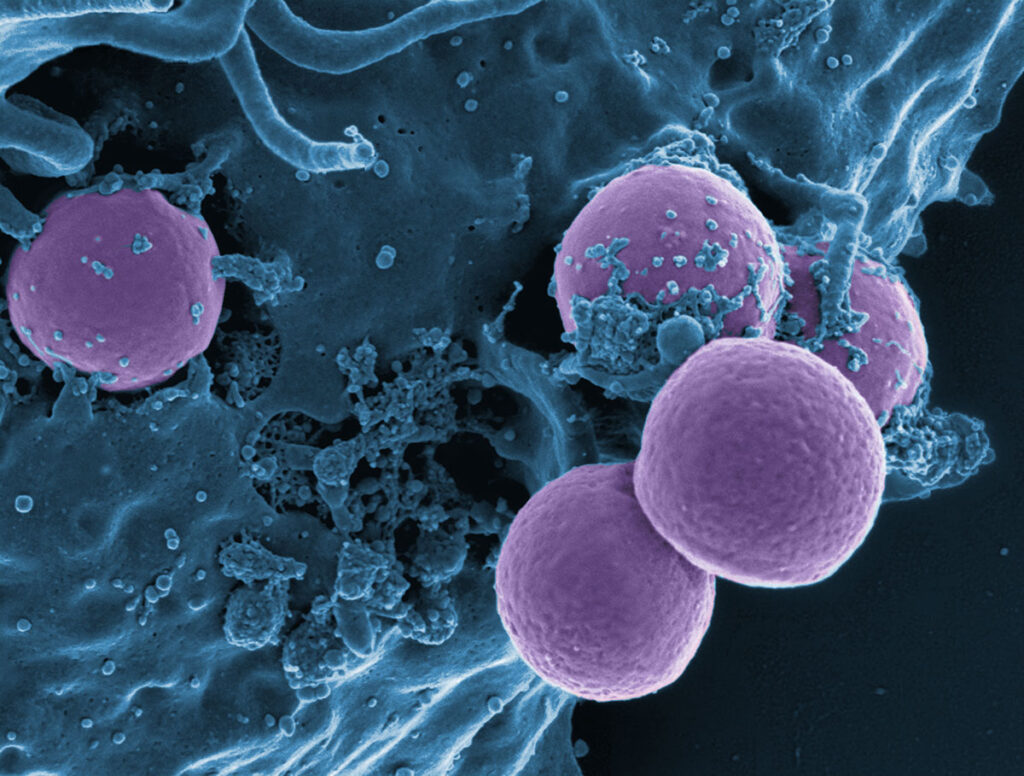
Autophagy is a natural process in which the body breaks down and recycles damaged or dysfunctional cells and cellular components. This recycling process promotes the production of new cells with optimal performance. For example, at the end of a red blood cell’s lifecycle, the body recycles heme to create new blood cells. The programmed cell death of red blood cells, which occurs around 90 days (about three months), is called apoptosis. It is an essential process for maintaining cellular health and preventing disease.
Oxidative stress occurs when there is an imbalance between the production of reactive oxygen species (ROS) and the ability of cells to remove them. Autophagy can help mitigate oxidative stress by removing damaged components and recycling them for energy or new cell construction.
Is a Low-Carb Lifestyle Beneficial for Autophagy?
Research has shown that a very low-carb diet, specifically the Ketogenic diet, can trigger autophagy by burning fat instead of glucose for energy. Our ancestors regularly experienced times of famine, forcing them into a fasting state. Our bodies can burn body fat for energy. The product of burning our stored body fat is ketones. The most common ketone is beta-hydroxybutyrate. Ketones are a more efficient fuel than glucose.
Today, we have an abundance of food, and our diet looks nothing like the foods our ancestors had available. About 65% of the Standard American Diet consists of processed food. A well-formulated low-carb diet enhances autophagy by reducing insulin levels and promoting ketosis, a metabolic state in which the body burns fat for energy instead of glucose. Nutritional ketosis mimics a fasting metabolic state. Insert a nutritional ketosis chart.
Intermittent fasting occurs naturally when on a low carbohydrate or ketogenic diet. Activating autophagy through methods such as intermittent fasting or exercise may aid in weight loss and improve skin health with weight loss. Autophagy speeds up the rate collagen is produced and improves the elasticity of the body’s skin, bones, and connective tissues. Damage occurs more rapidly to our joints when we are obese and in a hyperinsulinemia state.
Every year at Thanksgiving, when I am hauling home the turkey, I think about how I was carrying five 20 lb. turkeys of extra body fat for over 20 years. In my case, it played a role in weight loss by helping to break down excess skin and fat. I am grateful that I do not have more osteoarthritis throughout my body and only minimal extra skin after a 90+ lb. weight loss.
When I was going through menopause, I started getting a wrinkled upper lip. Living a low-carb/ketogenic lifestyle now for four years, I no longer have that wrinkled upper lip! I attribute skin quality to the high saturated and monosaturated fat diet, with a minimum of 20-30% protein and 20-25 grams of carbohydrates.
The most profound change I experienced was the mental clarity from producing ketones. Ketones are naturally anti-inflammatory. Fat is no longer the enemy; it can be the source of an alternative fuel source for the aging brain and neurodegenerative disorders like Parkinsonism.
10 Benefits of Autophagy
- Cellular repair: Autophagy helps to remove damaged or dysfunctional cellular components and recycle them for energy production or building new cellular components.
- Anti-aging: Autophagy has been linked to longevity and may slow aging.
- Improved immune system: Autophagy helps to remove intracellular pathogens and can enhance the immune system’s ability to fight infections.
- Reduced inflammation: Autophagy can reduce inflammation by removing damaged cells and reducing oxidative stress.
- Improved brain function: Autophagy has been linked to improved cognitive function and may help to protect against neurodegenerative diseases.
- Reduced risk of cancer: Autophagy can help to remove damaged cells that may become cancerous.
- Improved metabolic health: Autophagy can improve insulin sensitivity and metabolic health.
- Weight loss: Autophagy can help to break down stored fat and promote weight loss.
- Improved cardiovascular health: Autophagy can protect against cardiovascular diseases by removing damaged cells and reducing oxidative stress. Recent evidence showed ketones had a positive effect on the hemodynamic effects of the heart in healthy subjects and those with heart failure.
- Improved exercise performance: Autophagy can help to improve muscle function and recovery after exercise.
What are the Benefits of Autophagy?
There are numerous benefits identified for autophagy, such as:
- Removal of damaged or dysfunctional cellular components
- Promotion of cellular health and longevity
- Boosting the immune system and reducing inflammation
- Aiding in weight loss and improving metabolic health
- Protection against certain diseases, including cancer and neurodegenerative diseases
- Improving overall cognitive function and brain health.
It is important to note that more research is needed to fully understand the benefits of autophagy, and it is not a replacement for medical treatment.
What Inhibits Autophagy?
- Obesity
- Over-nutrition- A diet high in processed food due to its lack of nutrition density.
- Diabetes
- Age
- Sleep Deprivation
- mTOR activation- is a protein that plays a crucial role in regulating cell growth and metabolism. It involves various cellular processes such as protein synthesis, autophagy, and gene expression. Scientists have linked mTor to multiple diseases, including cancer and diabetes.
- Certain drugs or toxins. Additionally, aging and some genetic factors can also affect autophagy.
Ten Tools That Can Help Promote Autophagy
- Low-carbohydrate diet: A diet low in carbohydrates can also promote autophagy. Keeping your total carbohydrates below 20 grams daily promotes ketosis mimicking the fasting state. Getting into nutritional ketosis means limiting sugar, refined carbohydrates, grains, and starchy vegetables. Eat healthily and prioritize protein while avoiding inflammatory seed oils.
- Intermittent fasting: This method restricts your calorie intake for a set period. Timing your fasting with your circadian rhythm can make it easier to hit a target of a 16-18 hour fast.
- Exercise: Regular physical activity can help stimulate autophagy in the body. Particularly high-intensity-interval-training.
- Sleep: Getting enough sleep has been linked to autophagy and improving HRV (heart rate variability) by activating the AMPK/mTOR pathway. Evidence indicates that reducing stress elevates HRV (heart rate variability).
Tracking your HRV with your fitness watch or “sleep number bed” can indicate when stress is up, and poor sleep quality. - Managing Stress: Cortisol is the stress hormone vital in assisting our bodies during stressful times. However, chronically elevated cortisol causes insulin resistance and visceral fat accumulation.
- Cold exposure: Exposure to cold temperatures, such as taking cold showers, can activate autophagy.
- Saunas: Heat stress from saunas can activate specific proteins and pathways involved in autophagy.
- Omega-3 Fatty Acids: These are healthy fats found in fish and monounsaturated fats. My favorite Omega-3 Fish Oil supplement brand is Nordic Naturals Ultimate Omega 2x Soft Gels. I take the higher dose for heart health.
- Monounsaturated Fats: Of course, there is olive oil. One of my favorite Olive oils is from Little Gypsy Farms.
The egg has 38% of its fatty acid profile from monounsaturated fat. Avocados, nuts, avocado oil, and olive oil are reliable sources of monounsaturated fat.
Red meat, including pork, has about 9.3 grams of monounsaturated fat per 3.5-ounce serving. Pork fat contains oleic acid with 60% monounsaturated fat and is low in conjugated linoleic acid (CLA) and slightly richer in unsaturated fat.
“According to a 2018 British Broadcasting Corporation (BBC) report, researchers who analyzed more than 1,000 raw foods ranked pork fat as the 8th-most nutritious food and gave it a nutritional score of 74”. - Vitamin D: This fat-soluble vitamin stimulates the expression of genes involved in autophagy and increases the formation of autophagosomes, which are the structures responsible for the degradation and removal of cellular waste.
While I was researching the various education programs available for health coaching, I found myself drawn to the Primal Health Institute Program. What caught my attention was the fact that they apply an ancestral approach to the health challenges we face in today’s world. I believe that this unique perspective could provide valuable insights into how we can heal our bodies and live healthier lives, and I am excited to explore this program further.
Choi A, Hallett M, Ehrlich D. Nutritional Ketosis in Parkinson’s Disease – a Review of Remaining Questions and Insights. Neurotherapeutics. 2021 Jul;18(3):1637-1649. doi: 10.1007/s13311-021-01067-w. Epub 2021 Jul 7. Erratum in: Neurotherapeutics. 2021 Jul 26; PMID: 34235637; PMCID: PMC8608995.
Luong TV, Abild CB, Bangshaab M, Gormsen LC, Søndergaard E. Ketogenic Diet and Cardiac Substrate Metabolism. Nutrients. 2022 Mar 22;14(7):1322. doi: 10.3390/nu14071322. PMID: 35405935; PMCID: PMC9003554.

