

Introduction
Metabolic Syndrome refers to a group of conditions that often occur together and increase the risk of developing heart disease, hypertension, stroke, and type 2 diabetes. This article delves into the prevalence, causes, symptoms, and treatment strategies for Metabolic Syndrome, aiming to shed light on this pervasive health issue affecting millions.
It is essential to understand how metabolic diseases happen to overcome them effectively. Metabolic disorders arise due to the interplay of genetic and environmental factors. These factors include a diet rich in processed and sugary foods, a sedentary way of life, and stress. When we consume excess carbohydrates, our bodies require insulin to facilitate glucose absorption from the bloodstream by our cells. Additionally, managing blood cholesterol levels is crucial as high blood cholesterol is a significant risk factor for cardiovascular disease, particularly in the context of metabolic syndrome.
As time passes, our body’s cells may resist the entrance of insulin, leading to high blood sugar levels and various health problems. The high levels of glucose in the bloodstream causes glycation of the protein in tissues and produce Advanced Glycation End-Products (AGEs) which have an inflammatory effect on the mitochondria and tissues. Adopting a low-carb diet will regulate your blood sugar levels, reverse fatty liver, promote weight loss, and reduce insulin resistance, reversing the effects of metabolic disease.
”I question the assumption that individuals, when provided with the necessary knowledge and opportunities, will not proactively assume responsibility for managing their health.” This article educates on the root causes of metabolic disease, advocating for mindful dietary decisions as a part of the solution and not just limited to medications. In a healthcare system where doctors have minimal time for patient education, empowering individuals with knowledge becomes crucial. By dispelling misconceptions and providing accessible information, we inspire a proactive, holistic approach to well-being, putting the power of health back into individual’s hands.”
Understanding Metabolic Syndrome: Unraveling the Risks and Connections
Metabolic Syndrome poses a significant threat to our health and is linked to chronic conditions such as Type II Diabetes, heart attacks, strokes, chronic kidney disease, and obesity. Metabolic syndrome is also a significant risk factor for coronary artery disease. This comprehensive guide will delve into the interconnected risks and highlight the importance of proactive health management.
The Intricate Connection with PCOS
Metabolic abnormalities, including insulin resistance, often manifest in women with polycystic ovarian syndrome (PCOS). Hyperinsulinemia sets off a chain reaction—insulin resistance elevates insulin levels, leading to the overproduction of androgens by the ovaries. The interplay between insulin resistance and elevated androgen levels creates a cyclical relationship, impacting fertility and causing challenges in conception for women with PCOS.
Metabolic Syndrome and Pregnancy
In 2022, according to the statistics gathered by the March of Dimes, 1 in 10 babies were born premature in the United States. Metabolic diseases, particularly associated with obesity and diabetes, significantly affect pregnancies. Women with metabolic disorders face complications like gestational diabetes, preeclampsia, macrosomia (high birth weight), and preterm birth. Understanding these risks is crucial for proactive pregnancy management.
I experienced preeclampsia during my pregnancy, prompting my doctors to deliver my son at 28 weeks. My son, born at a mere 13.3 ounces (about 377.05 g), spent six months in the neonatal intensive care unit due to his low birth weight and pulmonary issues before he passed away. The subtle onset of metabolic syndrome, worsened by pregnancy, complicated matters for me and many other women. Fortunately, my son Colby was born less than a year later. Introducing a baby aspirin helped alleviate symptoms by addressing the inflammation in my body, allowing me to carry my pregnancy to 38 weeks. However, I was on strict bedrest for six weeks before I delivered to my extremely high blood pressure.
Once the baby was born, my blood pressure returned to normal. However, the doctor told me I would probably have hypertension by the age of 40. He was exactly right.
Metabolic Syndrome and Erectile Dysfunction
Metabolic syndrome, characterized by abdominal obesity, high blood pressure, elevated blood sugar, and abnormal lipid profiles, is linked to erectile dysfunction. Metabolic syndrome increases the risk of erectile dysfunction due to shared risk factors. Shared risk factors such as inflammation, insulin resistance, and endothelial dysfunction impair blood flow, affecting sexual function. Hormonal imbalances associated with metabolic syndrome may further impact sexual health.
Metabolic Disorders and Cancer Risk
Scientific research establishes a connection between metabolic disorders and various cancers, including breast, colorectal, and pancreatic cancers. Conditions like obesity and type 2 diabetes, hallmarks of metabolic dysfunction, create a microenvironment conducive to tumor growth. Dietary habits associated with metabolic disorders may also contribute, with ongoing research exploring the intricate mechanisms involved.
Osteoarthritis: The Weighty Connection
The connection between metabolic disease, particularly obesity, type 2 diabetes, and osteoarthritis, lies in the intricate interplay of factors such as inflammation, mechanical stress, and metabolic dysfunction. Obesity can put additional stress on joints that support your weight, like your knees and hips, leading to accelerated wear of the cartilage that protects your joints.
In metabolic diseases like obesity and type 2 diabetes, chronic inflammation is a key contributor to the destruction of joint tissues. Excess adipose (fatty) tissue triggers the release of pro-inflammatory substances throughout the body, leading to the enzymatic breakdown of cartilage. This process weakens ligaments through fibrosis and stimulates osteoclasts, causing increased bone resorption weakening the bone. Mechanical stress on weight-bearing joints in obesity exacerbates inflammation, accelerating cartilage wear.
It is encouraging to see more Orthopedic Surgeons advocate for patients to explore the transformative benefits of a low-carbohydrate diet, not only for its anti-inflammatory properties and weight loss advantages but also for the potential for remarkable improvement that may negate the necessity for surgery.
Metabolic Syndrome Prevalence: Exploring the Impact on American Adults (2024 Update)
Startlingly, only 12% of American adults maintain the best metabolic health. The National Heart, Lung, and Blood Institute (NHLBI) provides guidelines for identifying metabolic syndrome, which is crucial for understanding its implications, particularly for heart health. The CDC reports an annual healthcare cost of $216 billion dedicated to treating patients with heart disease. The CDC Maps of Diabetes and Obesity demonstrate the escalating rates since 1988, underscoring the urgency of addressing this health crisis. These rising rates are significant compared to the 1988-2012 National Health and Nutrition Examination Survey (NHANES) data. NHANES DATA.

CDC Center for Disease Control and Prevention
Causes of Metabolic Syndrome: Age, Lifestyle, and the Insulin Resistance Connection
Various metabolic syndrome risk factors such as age, sedentary lifestyles, and insulin resistance influence Metabolic Syndrome. A diet high in carbohydrates often leads to central obesity, visceral fat, and Non-alcoholic Fatty Liver Disease (NAFLD). Understanding these contributors is pivotal in devising effective prevention and intervention strategies.
The food industry plays a significant role in the development of metabolic diseases. One key factor is the production and promotion of highly processed foods, often laden with excessive refined sugars, unhealthy fats, and additives. These processed foods, designed for convenience and taste, contribute to overconsumption of calories.
The Standard American Diet (SAD) significantly contributes to many health issues, such as insulin resistance and metabolic diseases. One of the key culprits is the high intake of refined carbohydrates, which rapidly elevates blood sugar levels and, over time, leads to insulin resistance.

High fructose corn syrup (HFCS), prevalent in the Standard American Diet (SAD), is associated with health issues, including insulin resistance and metabolic syndrome. HFCS’s high fructose content may lead to insulin resistance, increased visceral fat deposition, elevated triglyceride levels, and heightened inflammation.
Notably, HFCS is processed in the liver similarly to alcohol, contributing to non-alcoholic fatty liver disease (NAFLD), particularly in children. To support metabolic health and reduce the risk of metabolic syndrome, individuals should read food labels carefully, choose whole, unprocessed alternatives, and minimize their intake of HFCS-containing products.
Common Foods that Include High Fructose Corn Syrup:
In 2023, a staggering statistic looms over the United States – 1 in 5 children grapple with obesity. Reflect on the following list and consider how these foods dominate our children’s diets, contributing to the alarming reality.
- Sodas and Soft Drinks: Many carbonated beverages, especially sodas, contain high fructose corn syrup as a primary sweetener.
- Sweetened Fruit Juices: Fruit juices and fruit-flavored beverages.
- Candies and Sweets: Various candies, chocolates, and sweet treats.
- Packaged Snacks: Many processed snacks like granola bars, crackers, and cookies can contain high fructose corn syrup.
- Condiments: Some ketchup, barbecue sauce, and salad dressings.
- Canned Fruit: Certain canned fruits, especially those in syrup.
- Yogurt and Flavored Dairy Products: Flavored yogurts and dairy desserts.
- Canned Soups and Sauces: Some canned soups and sauces, particularly sweet or tangy ones, may contain HFCS.
- Baked Goods: Commercially produced bread, pastries, and other baked goods might include high fructose corn syrup.
- Breakfast Cereals: Certain breakfast cereals, especially those marketed to children, may contain HFCS as a sweetener.
Diagnosing Metabolic Syndrome: Key Clinical Signs You Shouldn’t Ignore
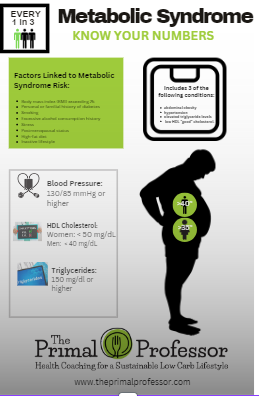
When diagnosing metabolic syndrome, doctors follow established criteria and guidelines to determine if an individual has metabolic syndrome diagnosed. They look for three or more specific clinical signs, such as:
- Blood pressure greater than 130/80 mmHg
- Fasting blood sugar level of 100 mg/dl or higher
- Triglyceride level of 150 mg or higher
- HDL (High-Density Lipoproteins) cholesterol level:
- < 50 mg/dl for women
- < 40 mg/dl for men
- Waist circumference:
- 40 inches for men
- 35 inches for women.
Metabolic syndrome, often associated with hyperinsulinemia, can manifest in various physical signs, reflecting the underlying metabolic imbalances. Not everyone with these conditions will show all these signs, and individual experiences may vary.
A comprehensive list of physical signs include:
- Central Obesity: Excess fat accumulation, especially around the abdomen (apple-shaped body), is a hallmark of metabolic syndrome.
- Skin Changes: Acanthosis nigricans, a darkening and thickening of the skin, particularly in skin folds like the neck, armpits, or groin, may be associated with insulin resistance.
- High Blood Pressure: Hypertension is a standard part of metabolic syndrome and may be a physical indicator.
- Abnormal Cholesterol Levels: Dyslipidemia, characterized by elevated triglycerides, low HDL cholesterol, and high LDL cholesterol, is often seen in metabolic syndrome.
- Increased Waist Circumference: A waist circumference exceeding recommended limits is a visible sign of abdominal obesity, a critical factor in metabolic syndrome.
- Skin Tags: Small, soft growths on the skin, known as skin tags, may be more prevalent in individuals with insulin resistance.
- Polycystic Ovary Syndrome (PCOS): Both hyperinsulinemia and metabolic syndrome may cause irregular menstrual cycles, acne, and excessive hair growth (hirsutism) in women.
- Fatigue: Chronic fatigue and low energy levels are commonly associated with metabolic syndrome.
- Increased Hunger and Cravings: Persistent feelings of hunger and cravings, especially for sugary or high-carbohydrate foods, may be related to insulin resistance.
- Elevated Blood Sugar Levels: While not directly visible, hyperinsulinemia is often associated with higher fasting blood glucose levels.
It’s crucial to recognize these signs and, if present, consult with a healthcare professional for a comprehensive assessment and proper management. Suppose you’re looking to enhance your metabolic health. In that case, it’s crucial to make lifestyle changes, such as following a diet low in carbohydrates, participating in regular physical activity, and maintaining a healthy body weight. Early detection and intervention require undergoing routine medical check-ups and monitoring.
Thin Outside, Fat Inside (TOFI): Debunking Myths Surrounding Metabolic Health
Contrary to widely held belief, Metabolic Syndrome is not exclusive to visibly overweight individuals. The TOFI phenomenon occurs when individuals appear thin but harbor excessive visceral fat, highlighting the importance of considering diverse body types in diagnosis and prevention efforts. The individuals have a higher ratio of visceral to subcutaneous abdominal adipose tissue.

Practical Treatment Approaches: Lifestyle Changes and Nutritional Strategies
Treating metabolic syndrome involves a multifaceted approach that includes lifestyle changes and nutritional strategies. While factors like age and genetics are non-modifiable, lifestyle changes can significantly change outcomes. Prioritizing protein, incorporating healthy fats, and avoiding processed foods are significant steps to reversing metabolic syndrome.
The Primal Approach: Reconnecting with Ancestral Health for Metabolic Wellness
Modern society’s deviation from ancestral diets and active lifestyles contributes to the prevalence of Metabolic Syndrome. Unveiling the truth that ‘sitting is the new smoking’ underscores the primal call to reclaim our health. Breaking free from sedentary habits echoes our innate need for movement, signaling a rebellion against the risks of obesity, cardiovascular diseases, diabetes, and musculoskeletal issues. Embrace the primal rhythm by incorporating regular breaks, standing, stretching, and physical activity to script a healthier, more vibrant future.
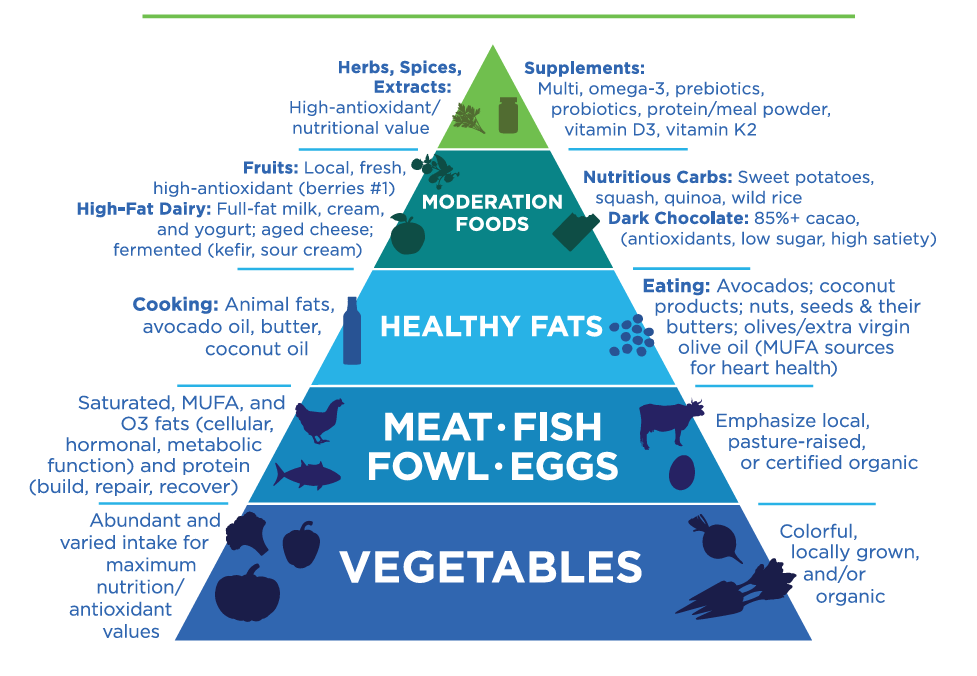
As a health coach, I advocate for embracing an anthropologically inspired Primal lifestyle, drawing from principles rooted in our human evolutionary past. This approach proves beneficial in combating metabolic syndrome for several compelling reasons.
- Whole Foods Focus: The Primal lifestyle emphasizes whole, unprocessed foods such as meats, fish, vegetables, fruits, nuts, and seeds. These nutrient-dense foods provide essential vitamins, minerals, and fiber, promoting overall metabolic health.
- Low Processed Sugar and Carbohydrate Intake: The Primal approach limits processed sugars and refined carbohydrates, helping regulate blood sugar levels. Lowering the number of carbohydrates can reduce the risk of insulin resistance, a critical factor in metabolic syndrome.
- Balanced Macronutrient Intake: It encourages a balanced intake of macronutrients, including healthy fats, lean proteins, and carbohydrates from whole foods. This balance supports optimal metabolic function and energy production.
- Healthy Fat Emphasis: The Primal lifestyle includes healthy fats from avocados, olive oil, and nuts. These fats can improve lipid profiles, enhance satiety, and increase metabolic flexibility.
- Intermittent Fasting: Some Primal approaches incorporate intermittent fasting, a practice linked to improved insulin sensitivity, better blood sugar control, and enhanced fat metabolism.
- Physical Activity: The Primal lifestyle emphasizes regular physical activity, which is crucial for weight management, insulin sensitivity, and overall metabolic health.
- Reduced Inflammatory Foods: By minimizing or excluding processed foods, grains, and dairy, the Primal approach can help reduce inflammation, a key contributor to metabolic syndrome.
- Nutrient Density: Prioritizing nutrient-dense foods ensures the body receives essential nutrients, supporting various metabolic processes and overall well-being.
- Blood Sugar Regulation: The Primal lifestyle, focusing on whole foods and lower-glycemic options, contributes to better blood sugar regulation, reducing the risk of metabolic syndrome.
- Weight Management: Combining a Primal diet and lifestyle supports healthy weight management, addressing a fundamental aspect of metabolic syndrome.
Adopting a Primal lifestyle is involves dietary choices and encompasses broader aspects such as physical activity, sleep, and stress management. A holistic diet based on primal principles promotes metabolic resilience and overall well-being.
Epigenetics and Lifestyle: How Your Choices Impact Gene Expression
Epigenetics is like an orchestra conductor, directing which genes play louder or softer in our bodies. When it comes to metabolic health, some genes are like rockstars, ensuring our metabolism works well, while others can cause trouble if they play too loudly.
What we eat has the power to influence this genetic concert. Good foods, like colorful fruits, veggies, animal protein, and good fats, can tell the genes associated with a healthy metabolism to play their tunes more beautifully.
Conversely, a diet heavy in sugary snacks and processed foods might make the troublemaker genes play too loudly, leading to issues like insulin resistance and inflammation. So, choosing the right foods can help our bodies create a harmonious melody of good metabolic health.
Talking to Your Doctor: Essential Tests for Evaluating Metabolic Health
If Metabolic Syndrome is suspected, consultation with a healthcare professional is crucial. Ordering specific tests to evaluate metabolic health, such as:
- Hemoglobin A1C
- CMP (Complete Metabolic Panel)
- CBC with differential
- C-Peptide
- Vitamin D25
- DHEA-S
- ESR (a marker of inflammation)
- Ferritin level (related to hyperinsulinemia)
- Fasting Insulin
- GGT (Damage to the liver, pancreas, gallbladder, and kidneys)
- Homocysteine level
- hs-CRP
- Lipid panel (focus on Triglycerides and HDLs)
- Magnesium and Phosphorus levels
- TSH level (thyroid hormones)
- Urinalysis can offer valuable insights for prompt intervention.
Reversibility of Metabolic Syndrome: Hope and Strategies for a Healthier Future
There is hope in the face of Metabolic Syndrome. Metabolic syndrome treated with lifestyle changes and medical interventions can lead to significant health improvements. Incorporating the 10 Primal Blueprint laws alongside a well-formulated low-carb lifestyle exemplifies the potential for reversing Metabolic Syndrome and promoting overall health and longevity.
Personal Story from the Author:


On my journey, I explored every conceivable diet and exercise regimen, discovering that the most potent medicine was the food I chose to fuel my body with.
At the age of 40, I found myself grappling with prediabetes, hypertension, morbid obesity, and fatty liver disease—compounded by the knowledge that my brother had been diagnosed with diabetes and our father tragically succumbed to a fifth heart attack at the age of 52.
In my pursuit to avert diabetes, I opted for bariatric surgery at 43 when my weight peaked at 252 pounds. While the surgery served as a crucial tool to lose 60 lbs., it wasn’t until I embraced a low-carbohydrate lifestyle that I experienced a transformative shift. Shedding an extra thirty pounds, I reversed my fatty liver and restored my metabolism.
After adhering to a low-carb lifestyle for five years and undergoing Lap band surgery 13 years ago, I recently decided to part ways with my Lap band. I wish I had known about the Ketogenic Diet fifteen years ago. Throughout this journey, I’ve effectively sustained my weight loss. At 58 years old, I now celebrate vibrant health, having successfully reversed insulin resistance, prediabetes, and hypertension.
A low-carb lifestyle is a way of life for me now; I adopted a low-carb lifestyle to prevent the resurgence of metabolic syndrome, but it also fosters long-term well-being, improving longevity and health span.
Conclusion
Metabolic Syndrome casts a pervasive shadow over many lives but armed with knowledge and proactive lifestyle choices; individuals hold the power to make significant strides in prevention and even reversal.
Remember, the sooner you address Metabolic Syndrome, the lower the chance of developing diabetes, heart disease, and many other chronic conditions. Start your transformative journey today and unlock the full potential of your metabolic health.
The message is clear: YOU CAN DO IT TOO!

